We build tools to help you face your feelings.
Because ignored feelings get in the way of your relationships, your work and your life.

WHAT WE DO


More tools, more insight. Bundled together and ready to use.

Emotions shape how people work, learn, and connect.
We build practical tools to help individuals and organizations put words to what they feel.
TRY OUR FREE BURNOUT BINGO
We've got simple, free tools you can start using right away to better understand and work with emotions.

Who We Work With
Whether it's burnout at work, big feelings in the classroom, or hard conversations at home, our tools help people put words to what they feel.

Schools
Bulk orders of emotional tools for classrooms and staff.

Small Businesses
Tools for teams navigating burnout and communication.

Non-Profits
Emotional tools for teams doing burnout-prone work.

Individuals
Tools for understanding and working with emotions day to day.


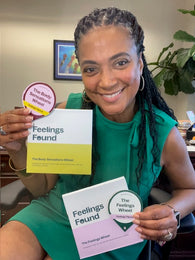
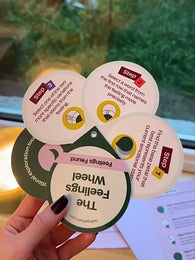


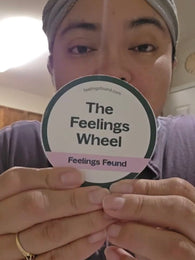
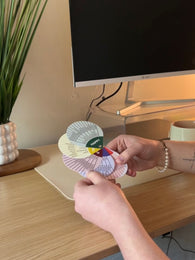

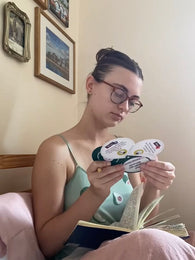

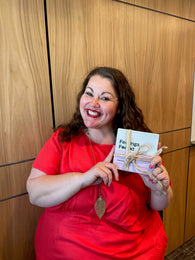
Long story short: we help you put words to what you feel.
Most of us were never taught how to talk about feelings. So we say: “I’m fine," “I don’t know," or “It’s not a big deal.” When what we really mean is: I'm overwhelmed, disconnected, hurt, anxious, or shut down. When feelings stay unnamed, they don’t disappear. They get in the way of work, school, and life. We're here to help you deal with those emotions, so you can get back to doing what you do best.
HOW WE DO IT

We start by naming what’s often avoided. We name how emotions are shaping communication, burnout, and connection.

We make emotions easier to understand and talk about through shared language, tools, and experiences.

That shared understanding is what allows individuals, teams, and classrooms to actually function differently over time.
We Like to be Social